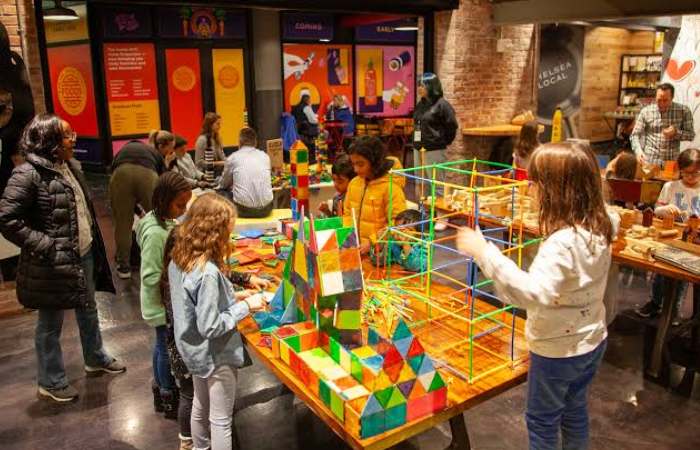
Question to researchers, curators, scientists, and visitors: how would they define a museum? Museums can be best described as curiosity, educational, a picture is worth a thousand words, and/or, planting a seed for the next generation’s career idea.
*** One museum visitor described their view: *** For me, museums are dialogues. They are dialogues between knowledge-creators and knowledge-seekers, and that take place through the thoughtful acquisition, organization, arrangement and display of a thematic diversity of objects.
Let me explain why this subject (museum) is important.
Did you know Ontario has over 700 museums, galleries, and heritage sites spread across its communities? These range from large provincial institutions to small volunteer-run local history spaces in towns and villages. They are reasonably priced and highly educational.
This Daytrippen museum adventure is appropriate for this series that’s dedicated to promoting short-day-tripping ideas, places, travel, tourism, and, best of all, “you can still be home for supper.
And this theme, this story is about — “Museums,” and it starts with another question.
“Could a fun afternoon at a museum have a secondary educational purpose?” Could museums ‘not only be seen as fun,’ but also have special ingredients that influence a child’s interests and possibly, their future career choices? I think yes!
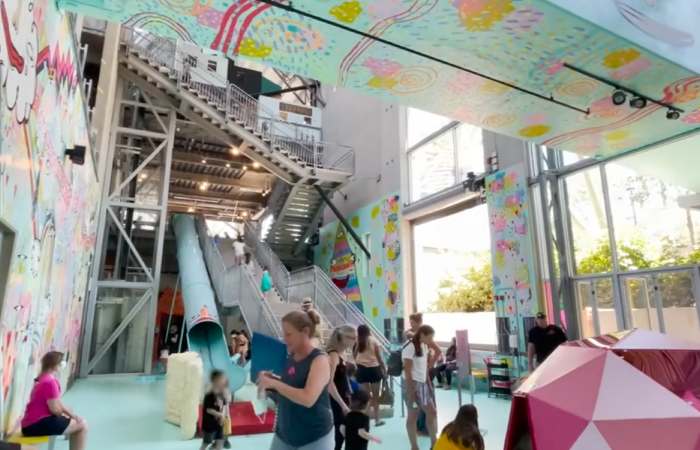
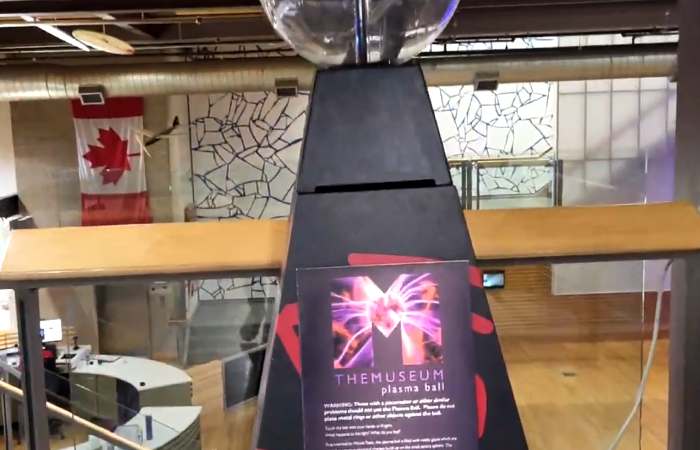
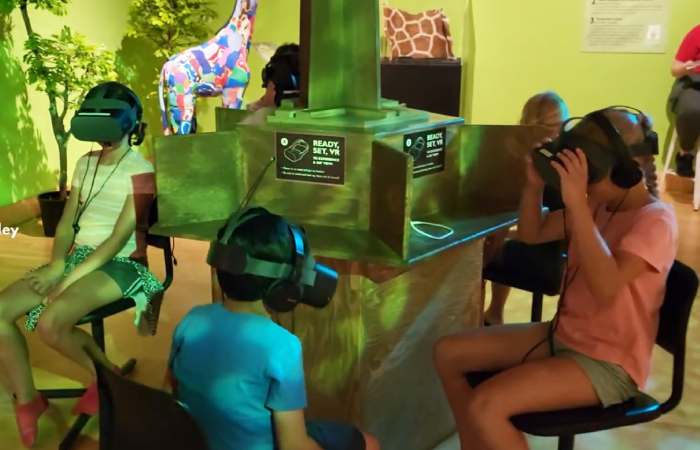
Doing research on the subject, quite frankly, I wanted some backup for my thinking on how museums can and will influence the mind.
This is where career choices are made.
Research also suggests that, museum visits can spark curiosity in both children and adults. Museum can introduce young people to careers choices and subjects matter they may never have considered before.
Think about this for a moment.
A child visiting a science museum for an example. See up-front and hands-on what scientists actually do. A visit to a “History Museum” can bring the past to life and introduce careers in archaeology, history, preservation, or education. An “Art Gallery” can open the door to careers in art, design, photography, restoration, and countless other creative fields.
Museums can ignite, as the comment suggested, “curiosity.” Hands-on science exhibits, historical displays, artwork, machinery, transportation exhibits. Demonstrations can give the young a glimpse into how professionals do and how they change the world.
* Those experiences may plant an early seed that grows into a career later in life.
Museums Can Shape Career Ideas.
Let me reinforce this idea: Children don’t always know what they want to be when they grow up. Heck, most adults probably couldn’t tell you exactly what they wanted to be when they were ten years old!
However, a museum can also show a child that careers exist that they may never have heard of.
Scientists, historians, engineers, archaeologists, artists, photographers, mechanics, conservators, designers, and museum professionals all have fascinating stories to tell.
A child may see an airplane and become fascinated with aviation.
Another may see an old automobile and become interested in mechanics or engineering. A decommissioned Navy submarine or a ship museum in Hamilton Harbour could fascinate the young mind to become a sailor.
Someone else may discover dinosaurs and become fascinated with paleontology.
A historical building might spark an interest in architecture. A camera exhibit could inspire a future photographer.
Instead of simply reading about a profession in a textbook, children can sometimes “see it, touch it, experience it, and ask questions about it.”
And perhaps that’s where the real value of a museum visit comes in.
Did you know: Ontario has an incredible variety of places to explore. From museums and pioneer villages to aircraft, ships, automobiles, art galleries, historical buildings, waterfalls, beaches, and small-town attractions. There is no shortage of places to discover.
And this is where the Daytripping Adventure series comes into play. “Short travelling, fun experiences, and in this case, a trip to a museum. This daytrippen adventure can and will shape career ideas for the young family members. Best of all, you will still be home for supper.”
You don’t need an expensive vacation, a passport, or a week off work to discover something interesting. Sometimes the best adventure is sitting right down the road.
- I’ll leave you with a thought from American Picker Mike Wolfe that coined the phrase: **** “You don’t need to book a flight to take a vacation. Explore the small towns in your own backyard. Get lost in the local lore, take in the sights, walk the main street, and find your new favourite day-tripping getaway.” ***
“Now that’s a Daytrippen Adventure at a Museum worth taking.” Thanks for reading.
My opinion: I give 5 happy faces; “there is no negative to any museum visit.”

Comments from Visitors:
* First Visitor: We can find answers to questions we didn’t even know we had” is my absolute favourite definition of a museum.
* Second Visitor; I feel ones emotion when I hear the word museum, “curiosity comes to mind.”
* Third Visitor: Old proverb, “a picture’s worth a thousand words.” Museum’s are like an enormous library, but instead of words, it’s made of objects. Researchers, photographs and written explanations that create the story of humanity and our planet.
If by chance you (the reader) found my story interesting or informative. Please consider donating to this site. Exploring and recommending short DayTrippen travel adventures is the theme of this site. CLICK PayPal LINK.